
Day 1
Loading…
Originally $4,150,From $3,320Save 20%
Day 1
Day 1
We disembark back to San Cristobal and drive to Cerro Colorado, where a Tortoise breeding centre was established to manage the conservation efforts of this animal. During this visit you will be educated about the environmental concerns of the islands, observe breeding tortoises and follow an interpretive trail. Along this trail it is possible to see different species of native and endemic plants as well as birds including the San Cristobal Mockingbird, Yellow Warblers, and many species of finches and the Galapagos flycatcher. Return onboard for refreshment, dinner, and enjoyment of the amenities onboard.
Day 2
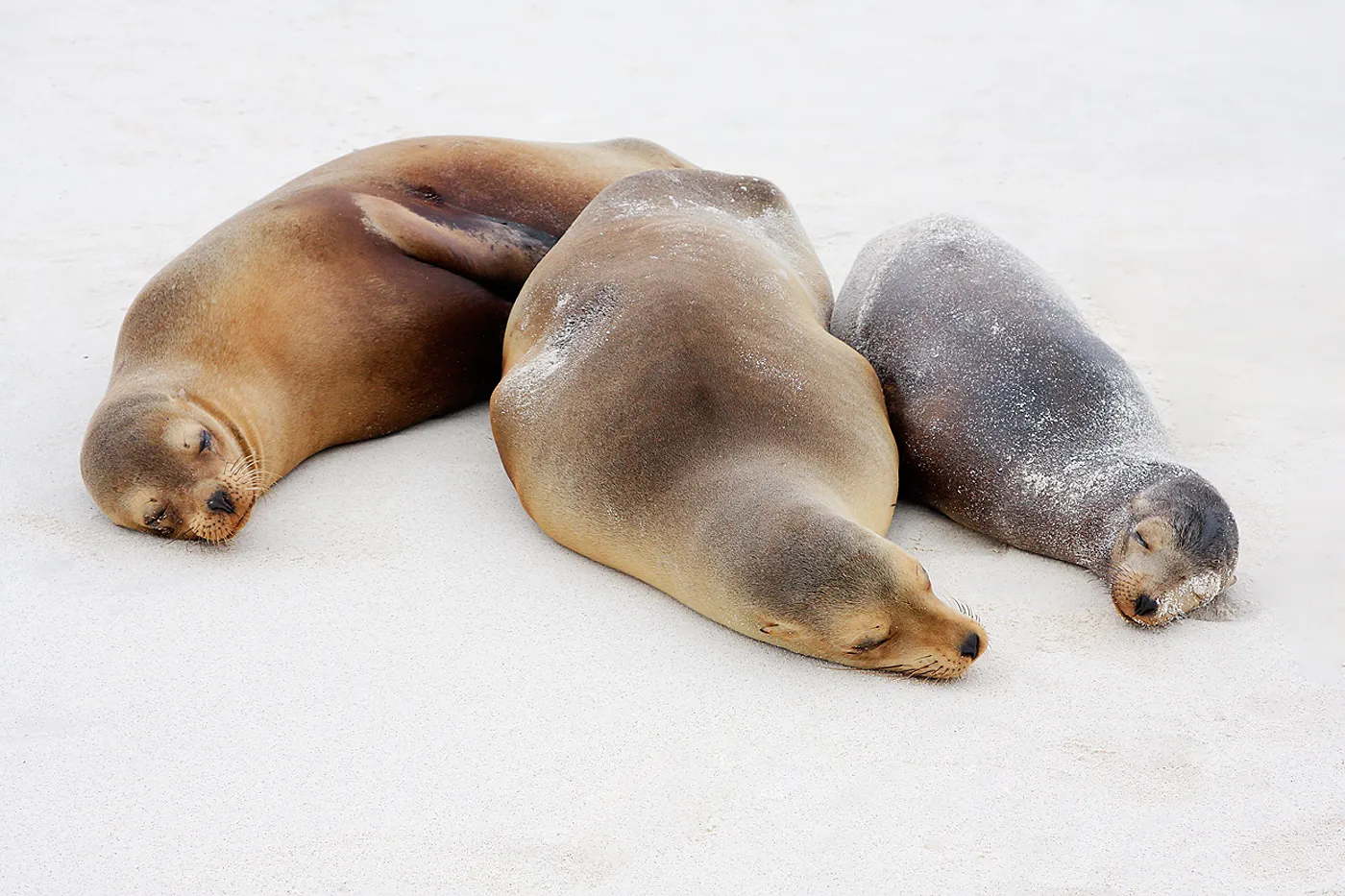
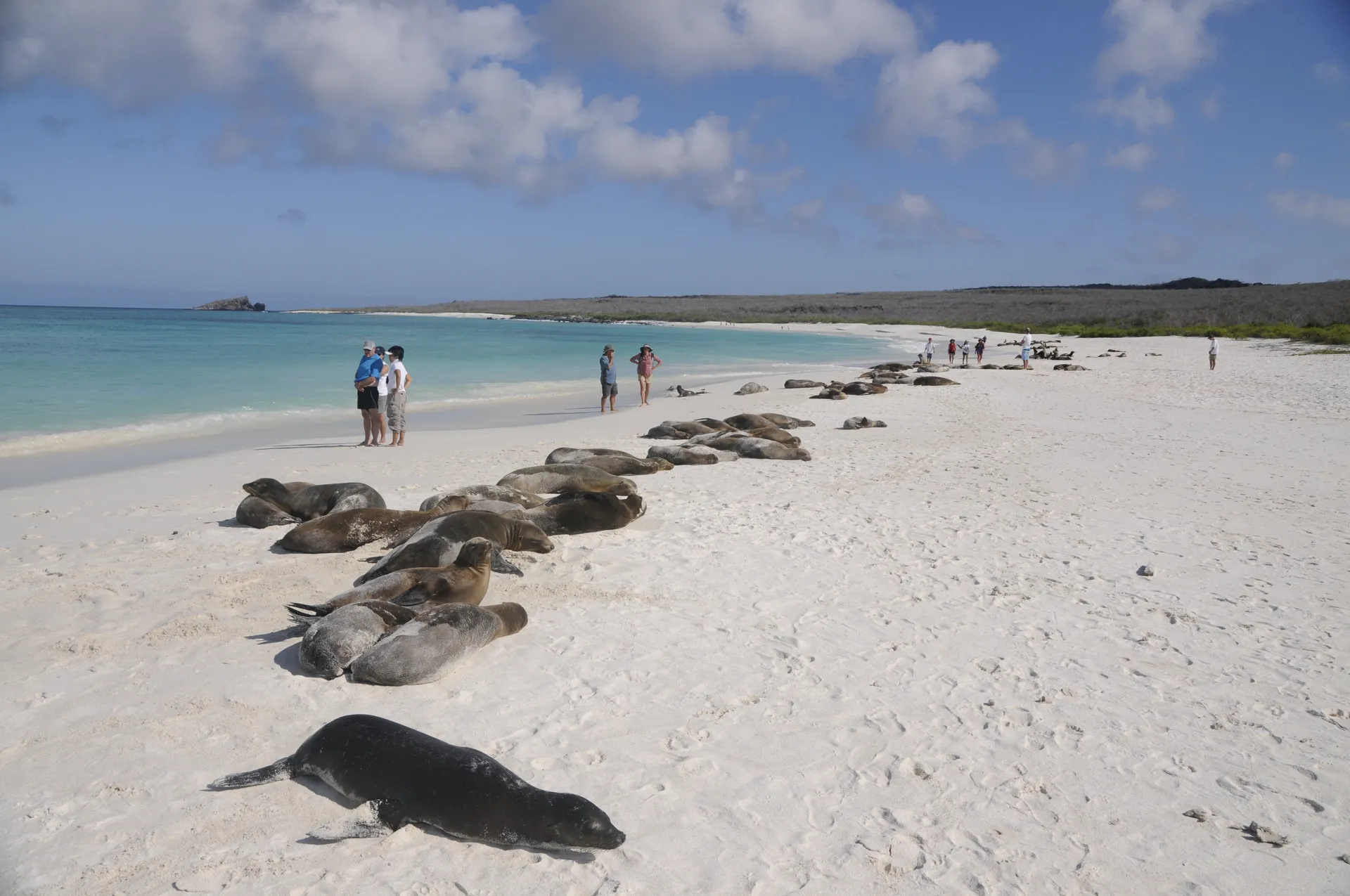
We navigated during the night to the extreme southeast end of the archipelago, to Española island. On the north-eastern coast of the island is located Gardner Bay, which offers a wonderful place to refresh in the turquoise sea and to admire the large number of colourful reef fish. You will also have the opportunity to snorkel side by side with green sea turtles or playful Galapagos sea lions. The white sand beach is also an important breeding ground for the turtles. In the crystal-clear ocean, sometimes whales can be sighted under certain weather circumstances.
Day 2
This rocky area is home to the most impressive and diverse seabirds of the archipelago. Española, being the archipelago’s oldest island (4 million years), has seen its surface eroded by the oceanic winds, so its surface is mostly nude rock. In this environment, the Galapagos albatrosses form their very organized colonies from March to December. Their presence allows visitors to admire their mating dances, graceful flights and hunting. Nazca boobies also claim Española as their home and nursery. Along the southern coast, high cliffs allow spectacular views and there is a water geiser that offers a fantastic background for a meditative experience or a memorable photo.
Day 3
This morning we visit a peninsula covered with tropical dry forest (aromatic palo santo). At the beach in Punta Cormorant, you will be welcomed by a small Galapagos sea lion-colony. The green sand on this beach contains a high percentage of glassy olivine crystals that have been blown out by the surrounding tuff cones. The ‘flour sand’ beach on the southern side of the peninsula is made up of even finer white coral sand that feels very smooth on your feet. You can spot schools of stingrays who love burying themselves in the sandy bottom. During the first months of the year, Pacific green turtles come ashore to bury their eggs.
Day 3
While you were having lunch we navigated to Post Office Bay. This mailing station has been intermittently in use since the eighteenth century, when Galapagos was a resupplying port for Pacific pirates. You can join their tradition and send greeting cards to your beloved ones worldwide using the historical barrel (it works). The beach nearby is normally visited by sea lions, pacific green turtles, golden rays and even penguins. Next, you may climb the miniature basaltic cone of Baroness Lookout and take in the paradisiacal coastal views. This viewpoint was the favourite spot of one of Floreana’s first modern-era colonists, the eccentric self-proclaimed Baroness and ‘Empress of Galapagos’ Eloisa von Wagner Bosquet, who even built her house a few metres behind. She and one of her lovers were the first in a series of mysterious disappearances and deaths occurring in this island during the 1930s.
Day 4
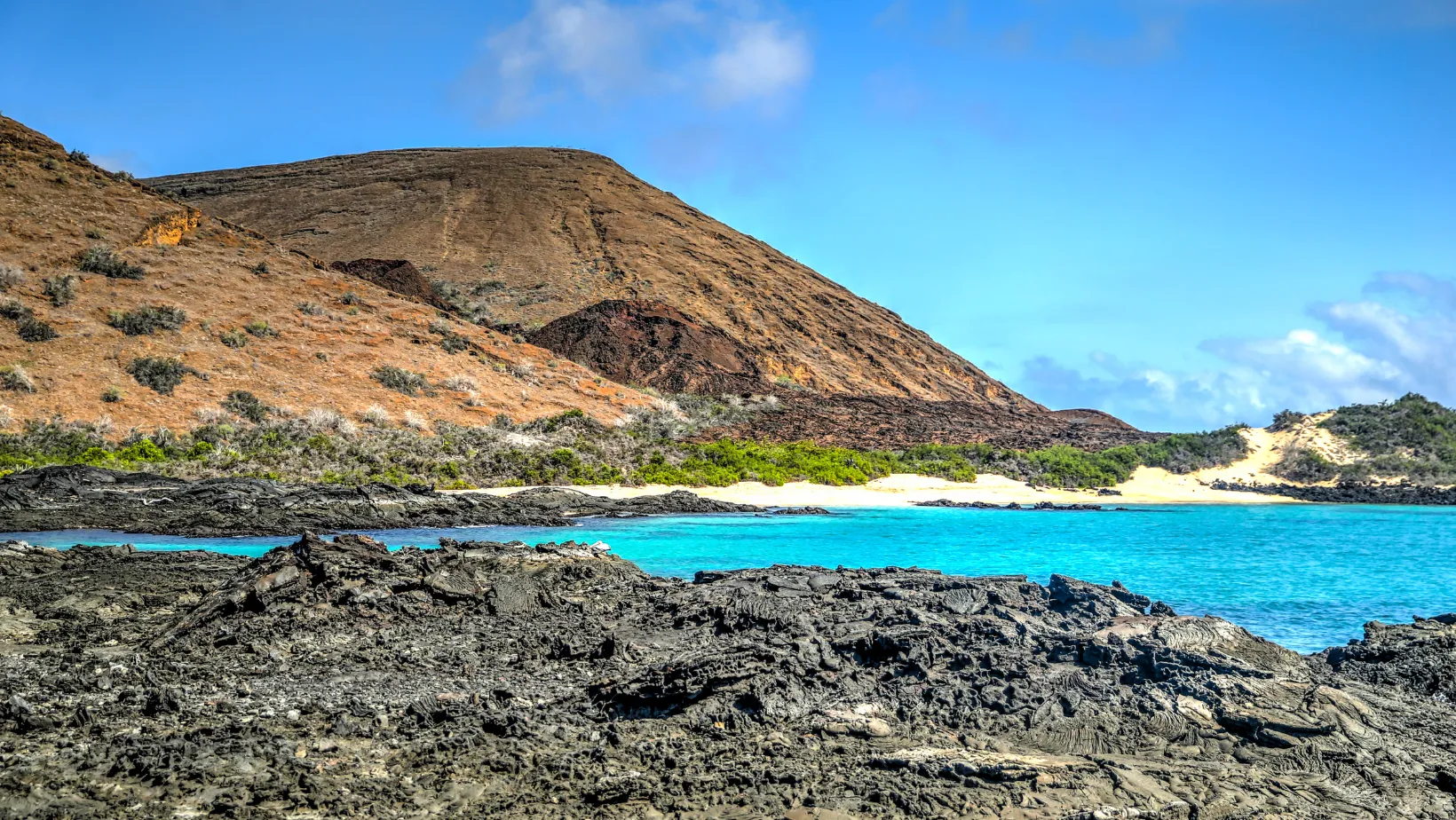
The beautiful volcanic islet of Bartolomé is among the youngest of the islands and, on a geological scale, was just recently born out of the fire. Although it looks deserted at first sight, Bartholomew offers some of the wildest landscapes and best panoramas of the entire archipelago. To enjoy the postcard view of the idyllic “Pinnacle Bay” you will have to climb the stairs to the viewpoint on top of the island (114 m/375 ft). Enter a dramatic world of threatening (though extinguished) nearby spatter cones, craters, and lightweight lava droplets that have been spewed out by fiery fountains. The summit trail is also ideal for witnessing how scanty pioneer vegetation, such as lava cactus, struggles to take root in the bare virgin lava fields.
Day 4
The arrival in Sullivan Bay is like a moon landing. The desolate, sprawling fields seem to be out of this planet, therefore this island is very popular among photographers and geologists. The last eruption here occurred in 1897, and covered the bay with Pahoehoe lava flows, which are characterized by smooth, gently undulating, or broadly hummocky surfaces. The beach nearby has clear, shallow waters that invite to snorkel, and if you venture to deeper waters, generous marine life can be found (like some Galapagos penguins on the rocks!). Moreover, Pacific green turtles, whitetip reef sharks (careless about humans), Galapagos sea lions, and rays are likely to make an appearance.
Day 5
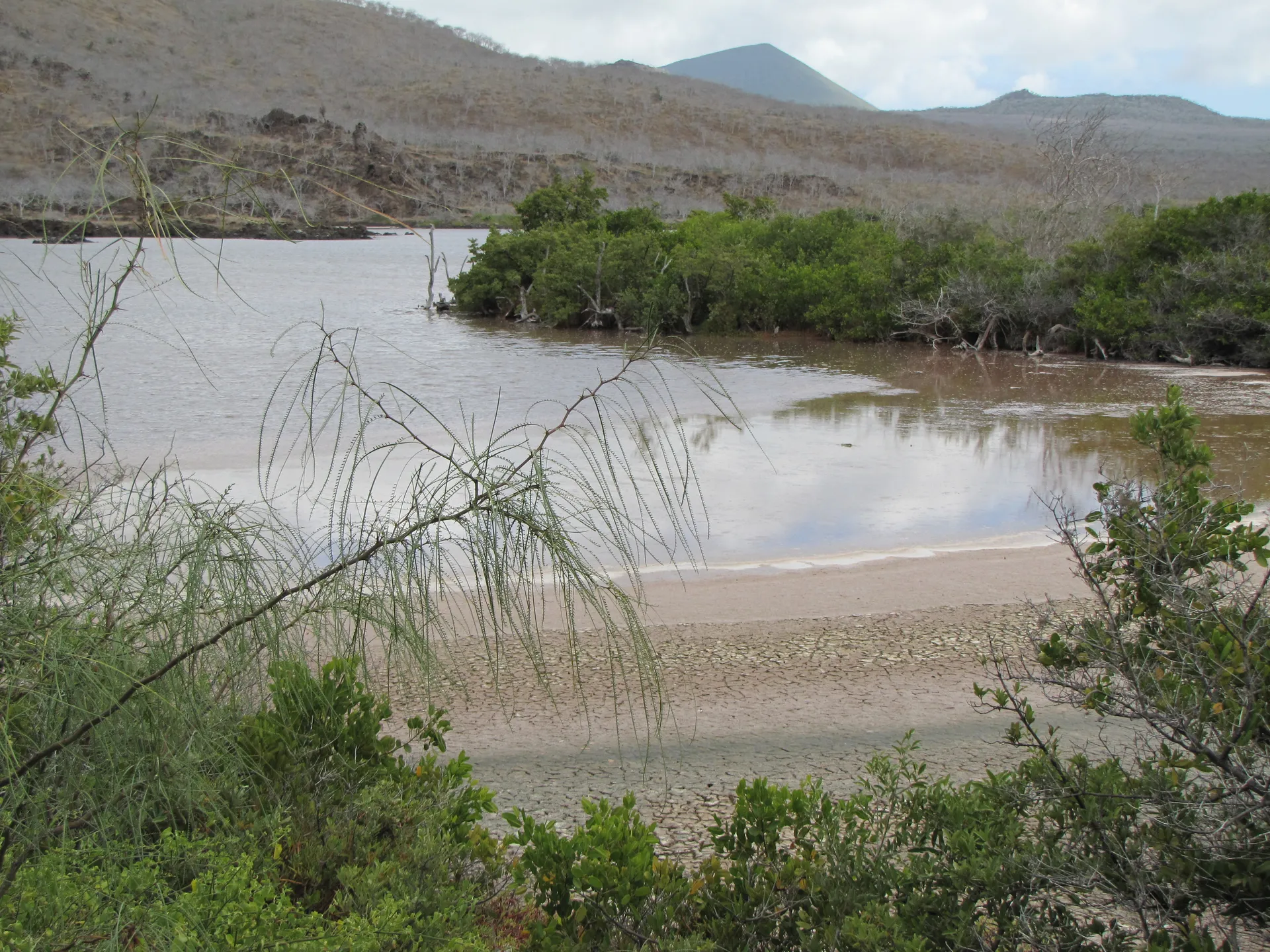
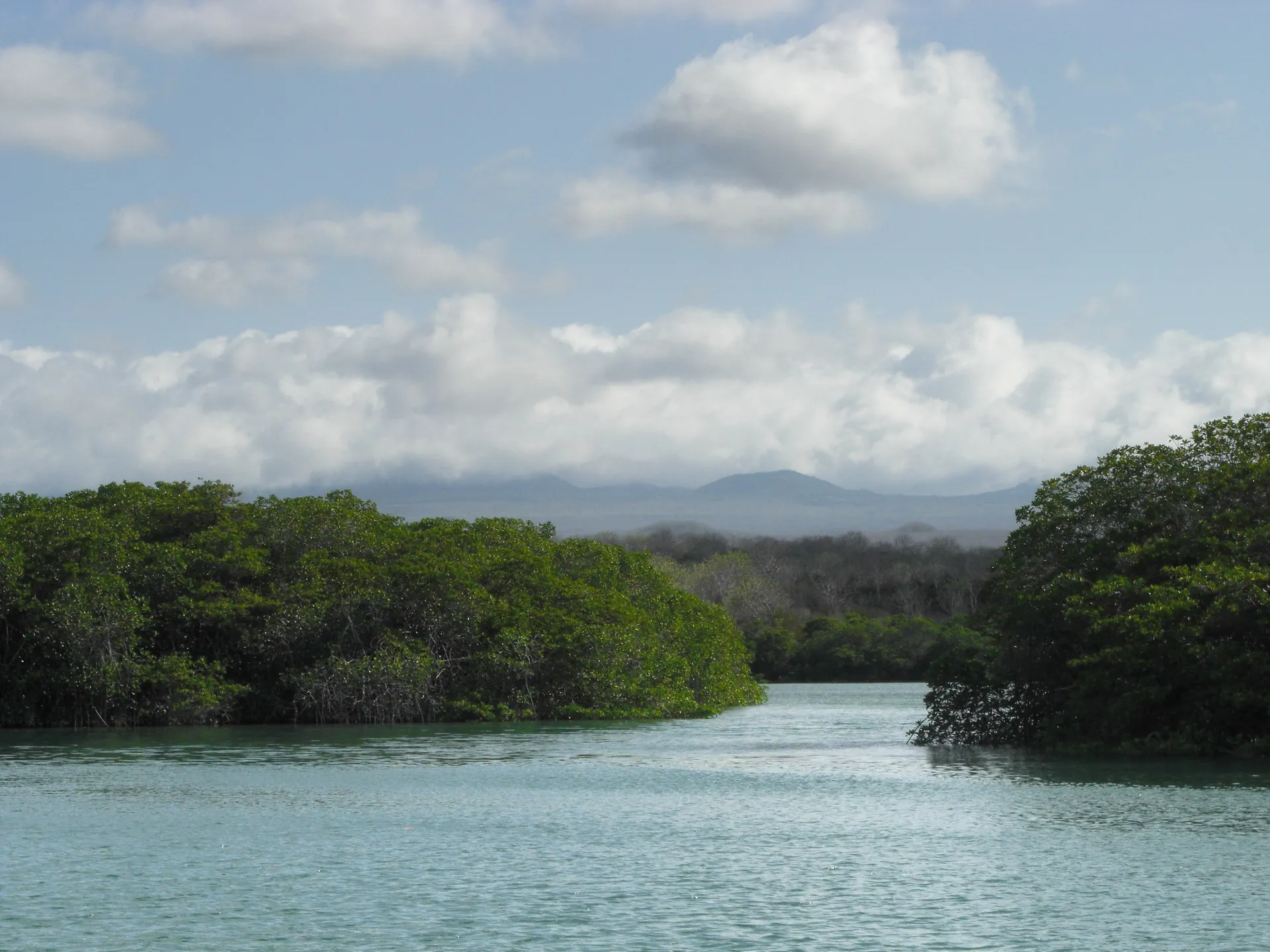
This small bay is located on the north side of the island of Santa Cruz and offers a unique backdrop for unforgettable adventures. The green landscape is mostly composed of mangrove trees that host innumerable aerial and aquatic species. Explore the quiet emerald lagoon and surrounding shallow bays onboard the inflatable dinghy. The crystal clear water might enable the observation of sea turtles, as well as groups of sharks.
Day 5
Full route
65/ 100 across this route’s sites
Best for striking vistasEach cabin class has its own per-route price — the “from” price above is the lowest. Availability and final pricing are confirmed per departure.
| Cabin class | Per-route price |
|---|---|
| Triple Main Deck Cabinfrom | $4,150 |
| Single Main deck Cabinfrom | $4,150 |
| Triple Upper deck queen + singlefrom | $4,150 |
| Triple Upper deck queen + sofafrom | $4,150 |
No departures scheduled yet